

Key Takeaways
- Memory care communities offer specialized support for dementia and Alzheimer’s with trained staff and secure environments
- Look for safety features, qualified caregivers, and meaningful daily activities that match your loved one’s needs
- Ask detailed questions about daily care, family involvement, and the physical environment during visits
- A smooth transition involves preparation, personalization, and realistic expectations for the adjustment period
When your loved one needs memory care support, you want to find a place that feels like home while providing the specialized care they deserve. This decision affects not just your family member, but your entire family’s peace of mind and well-being.
The right memory care community combines safety, compassion, and personalized care to help your loved one maintain their dignity while receiving the support they need. Understanding what to look for can help you make this important choice, especially when considering specialized memory care programs that address individual needs.
What Makes Memory Care Different from Other Senior Living Options
Memory care communities focus specifically on supporting people with dementia, Alzheimer’s, and other memory-related conditions. These communities create secure environments designed for safety and comfort, with features like monitored entrances and peaceful outdoor spaces.
Staff members receive specialized training in memory-related conditions, learning how to communicate effectively and respond to various behaviors with patience and understanding. The daily routines are structured to support cognitive function while allowing flexibility for individual preferences and needs.
Key Features to Look for in a Memory Care Community
Safety and Security Measures
A quality memory care community prioritizes your loved one’s safety without making the environment feel restrictive. Look for secure entrances and exits that prevent wandering while maintaining a welcoming atmosphere.
The outdoor spaces should be monitored and enclosed, allowing residents to enjoy fresh air and nature safely. Emergency response systems and fall prevention features throughout the community show attention to residents’ physical well-being.
Staff Qualifications and Training
The caregiving team should have specialized dementia care training and demonstrate a compassionate approach to daily interactions. Low staff-to-resident ratios allow for more personalized attention and relationship building.
Consistent caregiving teams help residents feel more comfortable and secure. When the same staff members provide care regularly, they learn each person’s preferences, routines, and communication style.
Daily Programs and Activities
Look for communities that offer cognitive stimulation activities tailored to different ability levels. Physical therapy and movement programs help maintain mobility and overall health.
Social interaction opportunities and spiritual support services address the emotional and social needs that remain important throughout the memory care journey. These programs should feel meaningful rather than just busy work.
How to Evaluate Your Loved One’s Specific Needs
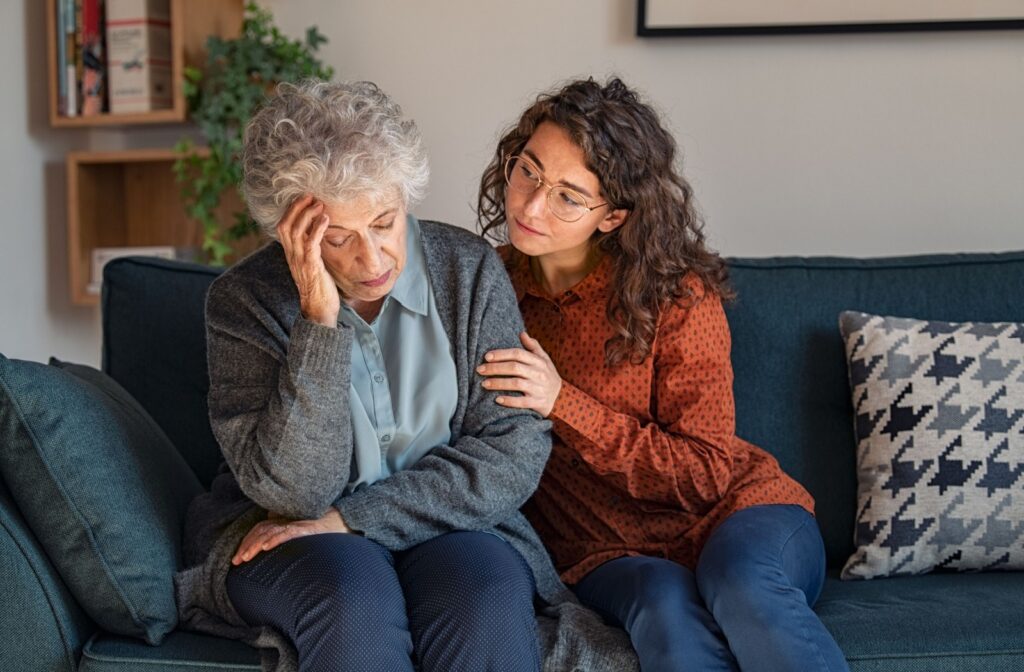
Consider where your loved one is in their memory care journey and what type of support they need most. Some people require more assistance with daily activities, while others need primarily safety monitoring and social engagement. Understanding early signs of memory loss can help determine the appropriate level of care.
Think about their personality and social preferences. Someone who was always social might thrive in a community with many group activities, while a more private person might prefer quieter spaces and smaller gatherings. Physical health considerations and any behavioral support needs also play important roles in finding the right fit.
What Questions Should You Ask When Touring a Senior Living Community?
About Daily Care
Ask how the staff handles challenging behaviors and what a typical day looks like for residents. Find out how they maintain each person’s dignity and respect during personal care times.
Learn about the medical services available on-site and how they coordinate with outside healthcare providers. Understanding the level of medical support can help you feel more secure about your loved one’s care.
About Family Involvement
Understand the visiting policies and hours, as well as how the community keeps families informed about their loved one’s daily life and any changes in condition. Ask about opportunities to participate in care planning and family support resources.
About the Environment
Pay attention to the room and common area layouts during your visit. Notice the noise levels, cleanliness, and overall atmosphere. Outdoor spaces and gardens can provide therapeutic benefits for residents who enjoy nature.
How to Make the Move to Senior Living Easier for Your Family
Preparing your loved one for the move involves honest, gentle conversations about the change while focusing on the positive aspects of their new home. Personalizing their living space with familiar items, photos, and meaningful objects can help them feel more comfortable.
Building relationships with staff and other families takes time, so be patient with the adjustment period. Regular visits and communication help maintain your connection while allowing your loved one to settle into their new routine. Remember that some initial confusion or resistance is normal as everyone adapts to the change. Recognizing when it’s time for memory care can help families prepare for this transition.
Moving Forward with Peace of Mind
Making the move to memory care is a significant step, and it’s natural to feel both cautious and hopeful. As you explore options, trust your instincts about what feels right—the way a team interacts with residents, the atmosphere of the community, and the level of personalized attention all speak volumes.
At Polar Ridge Senior Living in North St. Paul, our memory care neighborhood is designed to offer both structure and warmth. We provide specialized support tailored to each resident’s needs, along with thoughtful programs that foster engagement, comfort, and dignity every day.
Residents also benefit from Lifespark COMPLETE—a no-cost program through participating health plans that brings in-home primary care and whole-person life coordination right to our community. This partnership helps prevent hospital visits, supports independence, and offers peace of mind through seamless, personalized health guidance.
From secure, welcoming spaces to enriching daily activities and individualized care plans, everything at Polar Ridge is built to help residents thrive. If you’re ready to take the next step, we invite you to schedule a tour and experience firsthand how our community can support your loved one with the respect and care they deserve.