

Key Takeaways
- Cognitive changes can show up gradually, making them easy to miss at first
- Daily routines, self-care, and social connections are often the first areas affected
- Both your loved one and your family may feel the emotional weight of these shifts
- Assisted living and memory care communities offer structured, personalized support
- Starting the conversation early can make the transition smoother for everyone
What Cognitive Changes Look Like in Real Life
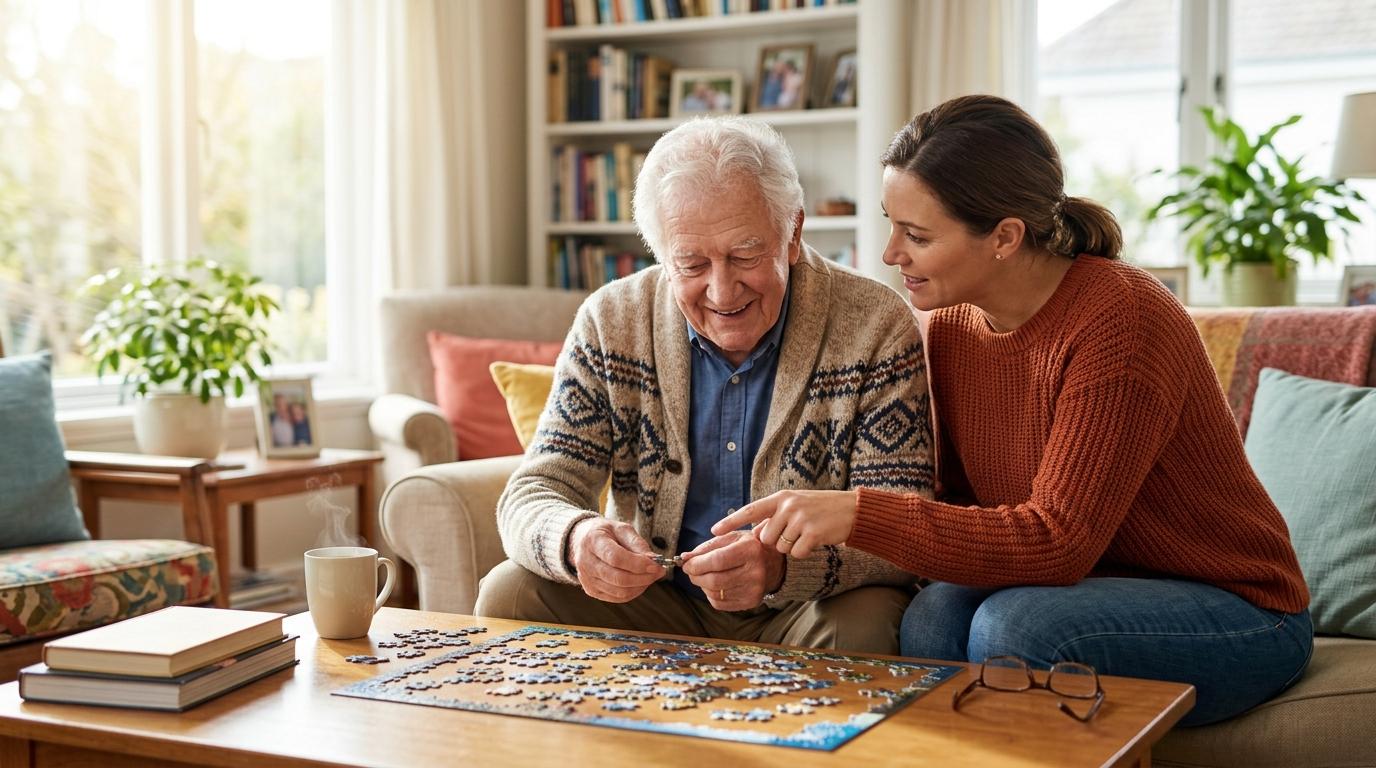
Watching a loved one change is never easy. At first, the signs can feel small: a missed appointment here, a repeated question there. Over time, those small moments can add up, and what once felt like a minor slip may start to affect how your loved one moves through each day.
Polar Ridge Senior Living understands how much is at stake for families navigating this season together.
Cognitive changes can impact memory, attention, decision-making, and daily function in ways that are often gradual but deeply felt by both your loved one and your family.
Knowing what to look for can help you respond with care rather than confusion, and that awareness can make a real difference. If you’re noticing early shifts, learning about the early signs of memory loss in seniors is a helpful place to start.
What Cognitive Changes Look Like Day to Day
Cognitive changes don’t always arrive with a clear announcement. Your loved one might start losing track of familiar routines, struggle to focus during conversations, or feel overwhelmed by choices that once felt simple.
These shifts can be easy to dismiss early on, especially when they come and go.
Watch for changes in attention span, difficulty following through on decisions, or a noticeable drop in how well they manage daily tasks. Pay attention when these patterns start to repeat, because catching them early opens the door to support sooner.
Understanding early warning signs can help you tell the difference between normal aging and something worth discussing with a care professional.
How These Changes Affect Routines and Independence
Daily Tasks and Self-Care
The kitchen, the medicine cabinet, the morning routine. These are the places where cognitive changes often show up first. Your loved one might leave the stove on, mix up medications, or feel frustrated trying to complete steps they’ve done for decades.
It’s not about ability. It’s about the brain needing more support than it used to.
These moments can affect your loved one’s sense of independence and confidence in real ways. A person who once cooked dinner effortlessly might start avoiding the kitchen altogether.
Watching that shift happen is hard, but understanding why it’s happening helps you respond with patience rather than worry. Recognizing signs that your parent may need assisted living can help you know when it’s time to explore more structured support.
Social Life and Relationships
Cognitive changes don’t just affect tasks. They can quietly pull your loved one away from the people and activities they love.
Following a fast-moving conversation, remembering what happened last week, or keeping up with a group setting can all start to feel like too much. So they may begin to pull back.
That withdrawal can look like a preference for quiet, but it often carries loneliness underneath. Staying connected to family and friends matters deeply, even when the connection looks a little different than it used to.
The Emotional Side of Cognitive Shifts
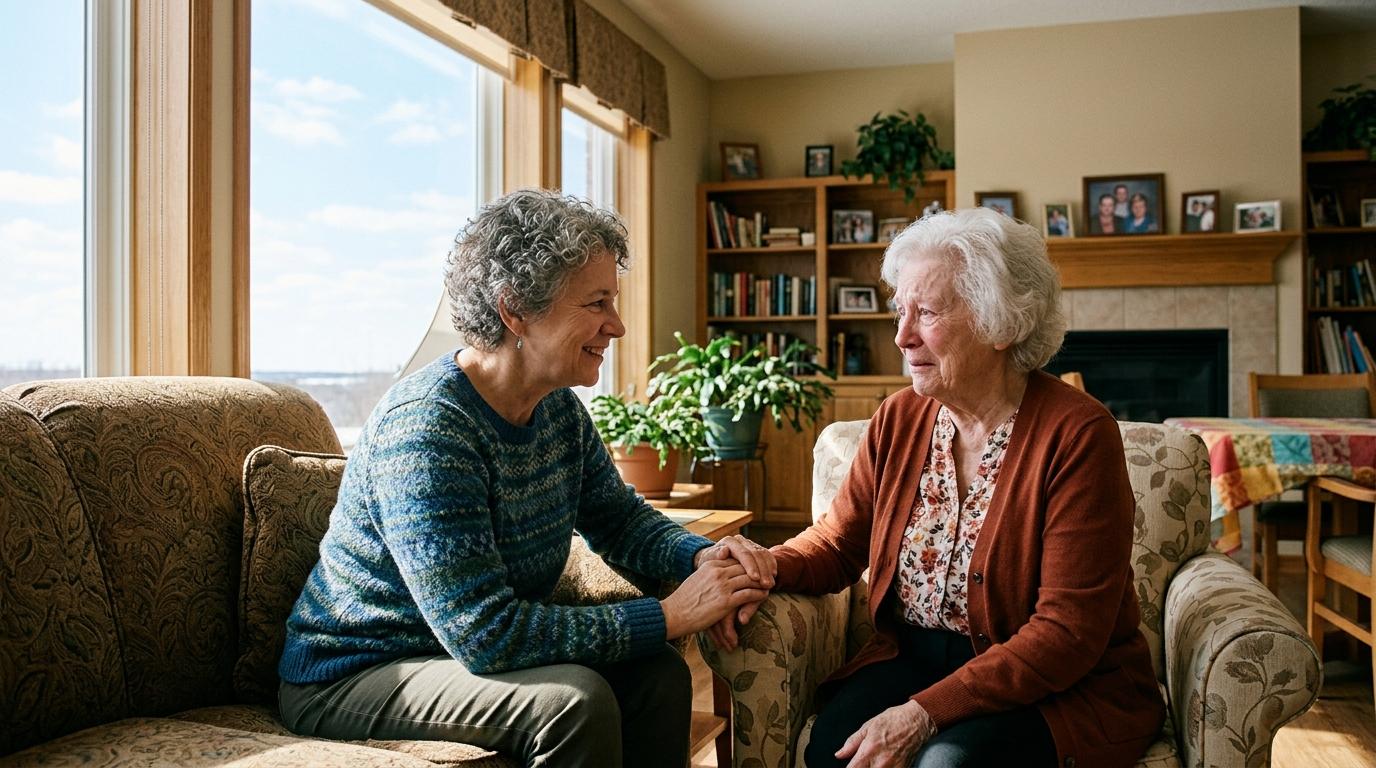
Your loved one may feel frustration, confusion, or anxiety as they notice changes in themselves. Those feelings are completely natural. In those moments, what they need is reassurance, not a spotlight on what’s gone wrong.
Small acts of connection—a familiar face, a calm voice, a routine they can count on—can carry tremendous comfort.
Families carry a weight of their own, too. The worry, the grief of watching someone change, and the pressure of figuring out next steps can wear on even the most devoted caregiver.
You don’t have to sort through all of it alone. Communities and care teams are built to walk alongside families through this kind of season.
Caring for yourself helps you care for your loved one. Recognizing caregiver stress and finding relief before burnout sets in is an act of love for both of you.
Senior Living Options That Support Cognitive Health
Assisted Living and Memory Care
Assisted living and memory care communities are designed with your loved one’s full experience in mind. Care plans are shaped around each person’s unique needs, not a one-size-fits-all approach.
The support your loved one gets each day can genuinely fit their life, not just a general checklist. Learning more about memory care programming at Polar Ridge can give you a clearer picture of what thoughtful support looks like day to day.
Structured environments help reduce the confusion that can come with unpredictability. Familiar rhythms, safe surroundings, and a team that deeply knows your loved one can turn what feels like a hard transition into a meaningful new chapter.
Knowing when assisted living is enough, or whether memory care is the right fit, can help families find the right place.
Programs That Nurture the Whole Person
Meaningful senior living goes beyond physical care. Spiritual health, social connection, and daily wellness all affect how your loved one feels and functions.
Programs woven into everyday life, like group activities, one-on-one chaplain visits, and wellness experiences, can give your loved one a real sense of purpose and belonging. Explore the full range of services and programs to see how each one supports a fuller, more connected life.
When someone feels seen, connected, and engaged, their whole quality of life can lift. That’s what thoughtful programming is really about.
A Path Forward for Your Family
Starting the conversation doesn’t have to feel overwhelming. Begin with small, honest talks about what you’re noticing and what your loved one values most.
When exploring memory care or assisted living options, ask about daily routines, care plan flexibility, and how the community supports emotional and spiritual well-being.
Polar Ridge Senior Living in North St. Paul is here to support your family through every step of this journey. From warm, personalized care to programs designed to help your loved one thrive, the right senior living community can ease the path forward for everyone.
Reach out today to schedule a tour and see what’s possible.